August 20, 2026
When it comes to home improvement, selecting the right roofing material is a crucial decision that impacts your property's long-term protection, aesthetic charm, and market value. Homeowners must balance multiple factors, including climate adaptability, budget constraints, structural load capacities, and architectural style. A well-chosen system delivers reliable defense against severe weather while substantially lowering monthly utility bills. Conversely, an ill-advised choice leads to persistent leaks, frequent repairs, and premature replacement expenses. Enlisting an experienced roofing service helps streamline this selection process, ensuring your project meets local building codes and regional climate demands. This comprehensive guide outlines the primary considerations necessary to choose the ideal material for your property.
Understanding Your Climate and Environmental Demands
The regional climate where you live directly dictates which roofing options will perform best over time. Severe temperature fluctuations cause materials to expand and contract repeatedly, which can lead to cracking and structural degradation in low-quality products.
High humidity levels present another ongoing challenge for residential properties. In damp environments, choosing materials that resist mold, algae, and wood rot becomes paramount. Proper attic ventilation installed by a qualified roofing service ensures that trapped moisture escapes safely, preventing hidden structural rot beneath your decking.
For properties located in coastal zones or areas prone to severe storms, wind uplift resistance and corrosion protection are essential. Saltwater air rapidly degrades untreated metals, making anti-corrosive aluminum or coated tiles ideal choices. Furthermore, selecting high-impact shingles or interlocking metal panels protects your building envelope during severe hail and hurricane-force winds.
Energy efficiency also hinges on your material selection. Reflective surfaces bounce solar radiation away from your living space, drastically reducing summer cooling loads. A professional roofing service can evaluate your home's thermal needs to recommend reflective coatings, insulation barriers, and ventilation systems that optimize indoor climate control year-round.
Exploring Material Options: Pros, Cons, and Lifespans
Evaluating popular materials allows you to balance immediate installation costs against long-term durability and maintenance demands:
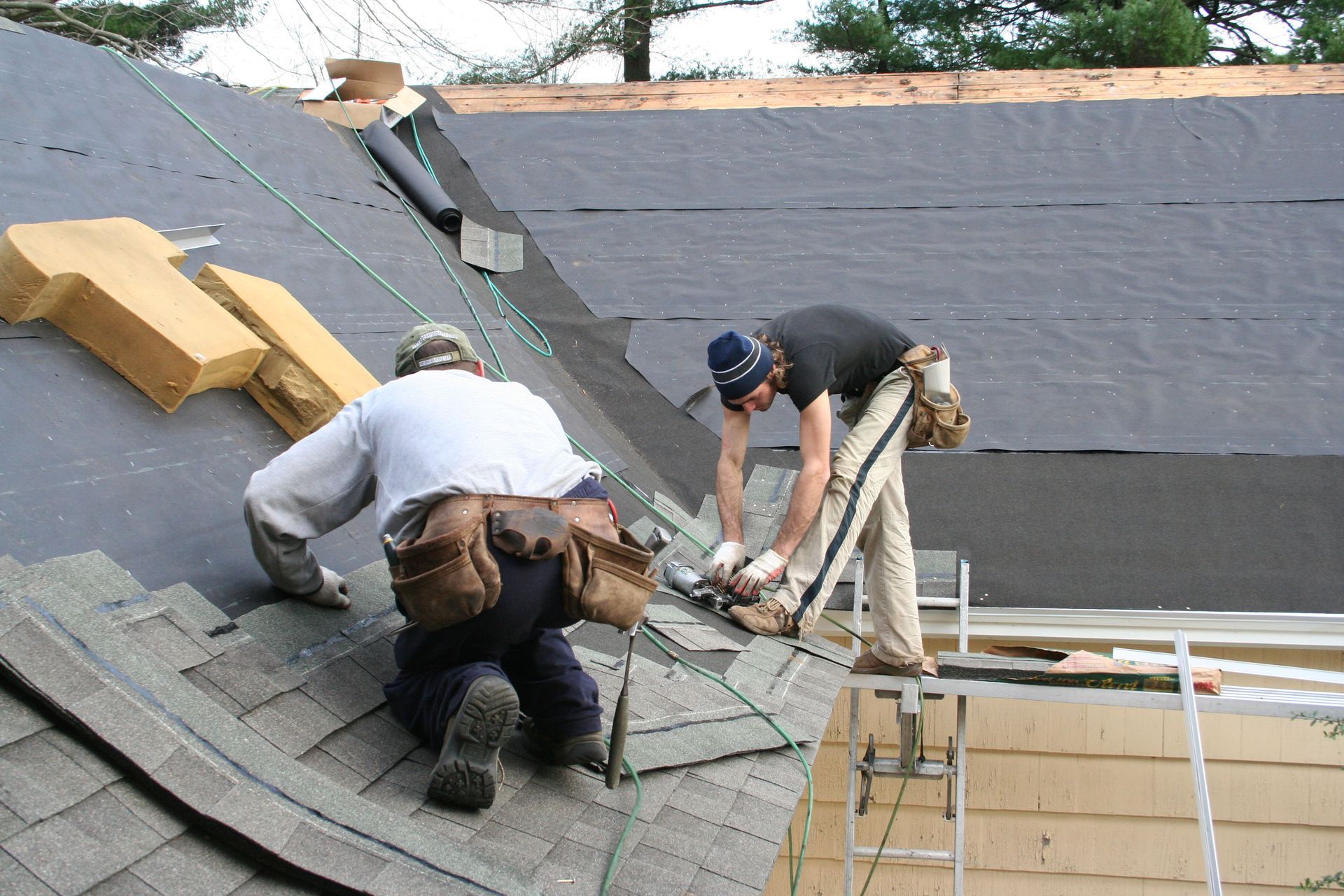
- Asphalt Shingles: As the most common residential choice, asphalt shingles offer exceptional versatility and low upfront costs. However, they carry a shorter overall service life and require regular inspections from a professional roofing service to replace damaged shingles following severe storms.
- Metal Roofing Systems: Gaining rapid popularity for their extreme durability, standing seam metal panels offer unparalleled fire, wind, and impact resistance. According to HomeGuide, metal roofs represent a pricier yet highly resilient investment that can withstand the elements for 30 to 80-plus years.
- Clay and Concrete Tiles: Ideal for Mediterranean and Southwestern architecture, heavy tiles offer timeless beauty and superior thermal performance. Because of their immense weight, a certified roofing service must verify that your home's underlying framing can handle the structural load before installation.
- Wood Shingles and Shakes: Providing a warm, natural aesthetic, wood shakes offer great natural insulation but demand consistent maintenance to prevent decay, moss accumulation, and fire risks in arid regions.
- Synthetic Alternatives: Formulated from engineered polymers and recycled rubber, synthetic slate and shake products deliver authentic traditional looks without the high weight or maintenance burdens.
Budgeting for Material, Installation, and Maintenance
Budgeting for a replacement project requires looking beyond initial purchase prices to evaluate total lifecycle expenditures. While standard asphalt shingles present the lowest upfront price point, long-lasting options like standing seam metal, natural slate, or clay tiles yield superior financial value over several decades.
Labor and installation complexities also significantly influence total project quotes. Heavy or delicate materials like tile and slate demand specialized handling and extended installation timelines, whereas asphalt shingles allow for swift, straightforward application. Partnering with a licensed roofing service ensures transparent pricing regarding structural prep work, tear-off fees, disposal costs, and labor warranties.
Investing in resilient, fire-rated, or impact-resistant materials can also yield ongoing financial perks through reduced home insurance premiums. Insurance carriers frequently offer premium discounts for homes fortified with impact-resistant metal or heavy-duty synthetic tiles. Over time, these cumulative policy savings help offset initial material upgrade costs.
Aesthetic, Architecture, and Design Integration
A new roof should harmoniously complement your home's overall architectural style and surrounding landscape. Traditional Colonial homes pair naturally with dark architectural shingles, slate, or synthetic tiles, whereas Mediterranean or Spanish-style residences benefit from iconic clay or concrete barrels.
Color choices directly impact both curb appeal and energy performance. Lighter hues reflect solar energy to keep interiors cool in sun-drenched regions, while darker shades create a bold visual anchor for multi-story properties. A reputable roofing service can provide physical material samples and digital design visualizations, ensuring your selected color palette complements your exterior siding, trim, and surrounding neighborhood standards.
Texture and profile choices further elevate your property's exterior dimension. Architectural dimensional shingles create shadow lines that mimic natural wood, while standing seam metal creates clean, modern lines suitable for contemporary designs. Navigating these design options carefully guarantees an attractive, cohesive exterior presentation that elevates resale value.
Navigating Local Building Codes and Regulations
Ensuring full regulatory compliance is a critical step in any major exterior renovation project. Local municipal building codes dictate specific structural requirements, wind resistance ratings, and fire retardancy standards for residential properties. Failing to pull proper building permits or installing unapproved materials can result in heavy municipal fines, delayed home sales, or forced removal of non-compliant materials.
Homeowners Association (HOA) covenants also impose strict restrictions regarding acceptable roof colors, material profiles, and design aesthetics. Reviewing community bylaws prior to purchasing materials prevents costly legal disputes or forced alterations. Working alongside a knowledgeable roofing service guarantees that all selected products comply with both municipal safety codes and neighborhood architectural guidelines.
Environmental sustainability is another key regulatory and personal consideration. Modern homeowners increasingly prioritize recyclable materials and eco-friendly manufacturing processes. Metal panels, clay tiles, and synthetic shingles are frequently manufactured from recycled inputs and remain 100% recyclable at the end of their service lives, reducing landfill waste and minimizing your home's environmental footprint.
Long-Term Maintenance Practices for Extended Service Life
Protecting your investment demands a consistent preventative maintenance schedule regardless of the material installed. Scheduling an annual inspection with a trusted roofing service allows experts to spot subtle surface wear, cracked sealants, loose flashings, or missing fasteners before minor issues cause interior water damage.
Clearing gutters, removing tree debris, and treating organic growth like moss or algae prevents standing water from seeping beneath your secondary moisture barrier. Promptly repairing minor storm damage preserves structural integrity and keeps manufacturer warranty coverage fully intact. Establishing a proactive care routine extends the operational life of your building envelope, giving you absolute confidence through every season.
Selecting the right material for your home requires a thoughtful evaluation of local weather demands, initial project budgets, architectural styles, and long-term maintenance preferences. Whether you opt for affordable asphalt shingles, timeless clay tiles, or highly resilient metal panels, choosing quality products safeguards your primary financial investment. Upgrading your building envelope not only boosts your property's immediate visual appeal, but it also creates a reliable barrier that protects your family and personal belongings from extreme weather year after year. Making an informed choice today minimizes unexpected repair costs, stabilizes indoor comfort, and maximizes long-term home equity for the future. Engaging a licensed roofing service ensures precision installation, full regulatory compliance, and maximum energy efficiency for decades to come. To explore the ideal material options for your home and receive a comprehensive project estimate, contact the experienced team at Poulterer Family Roofing today.